


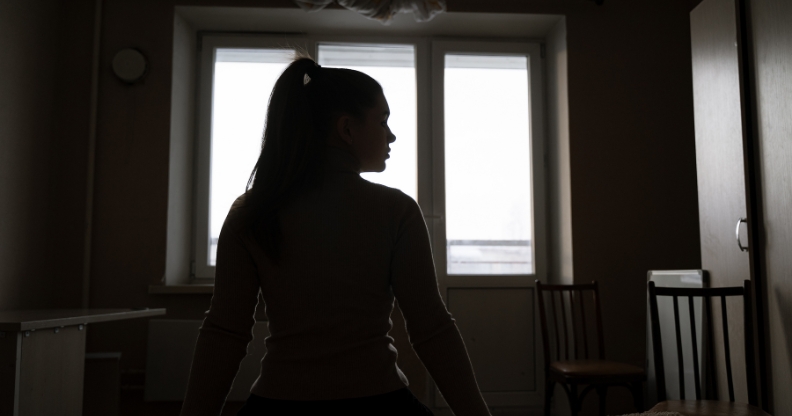
At age 35, Fanny lives in community supportive housing run by Passages, a Montreal agency that helps young women in vulnerable situations. After a life of unstable housing, family problems, and mental health challenges, this is the first time that Fanny has been able to stay in one place for so long.
“I’ve lived here for seven years, which is the longest I’ve ever lived anywhere in my entire life,” Fanny said.
Growing up in instability
When she was young, Fanny’s family life was difficult. “I lived with my mom. We didn’t live on the streets, but things weren’t stable at home,” she explained. “We were always moving around.” As a child, she had to move from apartment to apartment and often between her mother’s place and the home of her grandparents, who were important parental figures for her.
A childhood marked by constant relocation and insecurity made her feel like she never really belonged anywhere. “I went to three different primary schools,” she said. While Fanny has fond memories of her neighbourhood, she doesn’t think back on it with a true sense of belonging.
When she got older, this instability continued in a different form. After moving out of her mother’s home, she spent nearly a year going back and forth between crisis centres and shelters. “I had to leave each place every two weeks,” she said. Constantly moving meant that she could never catch her breath.
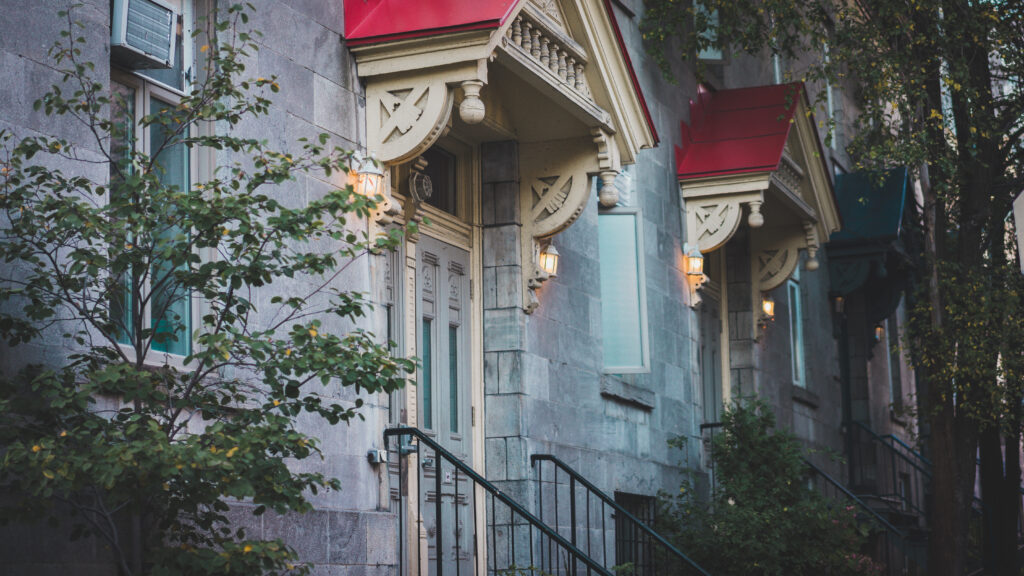
Finding Passages
At one point, someone referred her to Passages, an agency that provides individual apartments to women along with support tailored to their needs. “When I got here, the interview went well,” said Fanny. “I had to wait for an apartment to become available. That took about a month.”
© Passages
She arrived at Passages on April 1, 2019, at the age of 28. She signed a lease for the first time, which let her imagine a different future. “It was tough at first,” she admitted. “It was my first apartment.” Going from a multi-storey house to a one-and-a-half came with its own set of adjustments to unfamiliar noises, isolation, and new responsibilities.
Little by little, however, she started to feel like the place was hers. “I think that I really started feeling like the apartment was my home when I started decorating. I thought, ‘Okay, this really feels like home now’.”
🏠 The Passages housing program
Launched in 2006, the Passages housing program provides women aged 18 to 30 with affordable apartments and community support. In partnership with the Société d’habitation populaire de l’Est de Montréal (SHAPEM), the agency offers 14 semi-furnished apartments where tenants can stay for as long as they need to. Two staff members spend five days a week helping women maintain their apartments and develop their independence.
Support that makes a big difference
Although all of the women at Passages live in their own apartments, they are by no means left to their own devices. Staff spend time with them every day, and a community space helps them feel less isolated. “You can go sit in the lounge to have a cup of coffee and chat with the other tenants. It helps you feel less alone,” Fanny explained.
This support was especially important for her during difficult times, such as when she accidentally injured herself. “I panicked, but some staff members came with me to the hospital. Just having them there made me feel so much better.”
Over the years, this support has helped Fanny become more independent, as she has learned to cook, take care of her apartment, and manage her anxiety. “I used to have a lot of anxiety attacks and would often end up in the hospital. That doesn’t happen much now,” she said.
Behind every door of every community supportive apartment is a story of resilience and rebuilding.

Gaining the confidence to engage in life again
Today, Fanny stays very active. She attends a mental health day centre, volunteers at the CHUM, and takes part in creative activities. “I paint, go on outings, and listen to a lot of music,” she said while mentioning how important her cat is to her.
What gives her the most strength is her brother. “He’s the most important person in my life,” she said. In fact, she’s thinking about eventually sharing an apartment with him at an HLM. “We grew up together, and we really understand each other. I’d like to help him, just like he helps me with other things,” said Fanny.

Staying hopeful
When asked what she would say to other women going through hard times, her answer was immediate: “Don’t lose hope. Get help. You can always find someone to help you.”
1 out of 5 people receives our help.
5 out of 5 people benefit from it.
Let’s all lend a hand
Supporting a network of over 375 community agencies also means promoting an inclusive, poverty-free society.