


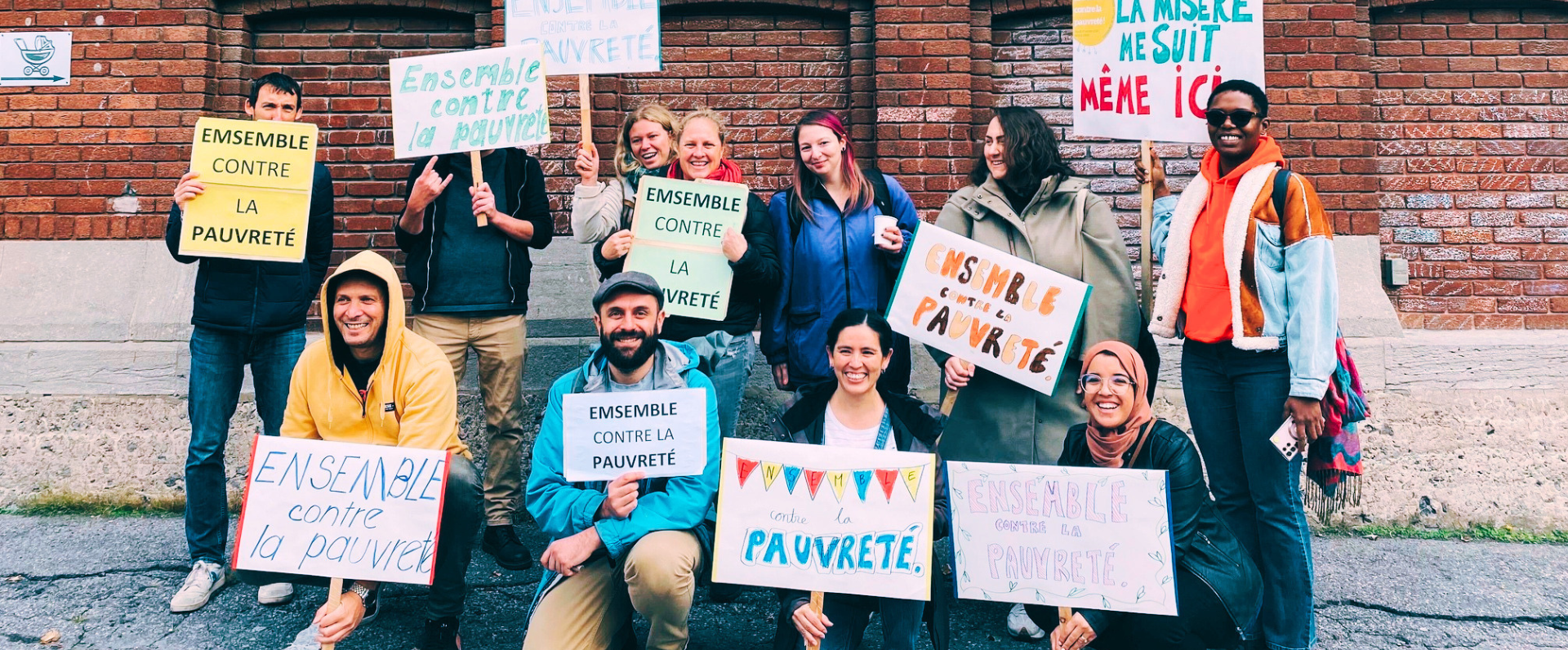

10 years of engaging Montreal’s
neighbourhoods in collective action
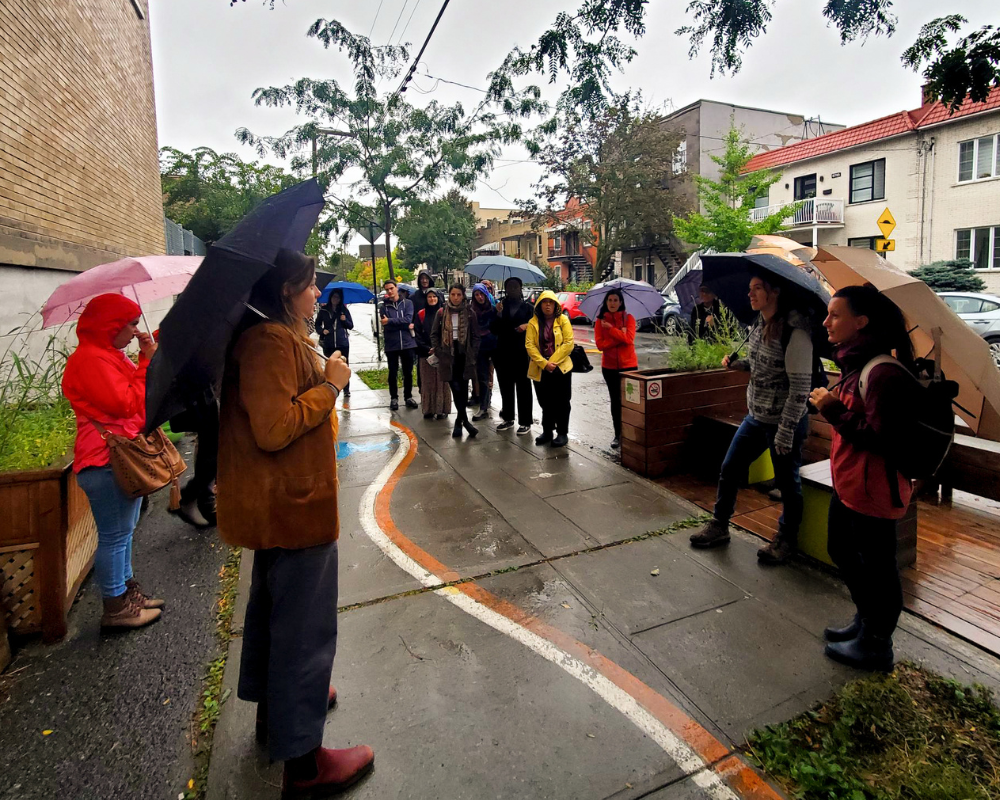
Montreal’s unique approach to fighting poverty
The Collective Impact Project (CIP) is a large-scale innovative initiative whose goal is to fight poverty and social exclusion in Montreal’s neighbourhoods. Initiated by the Lucie and André Chagnon Foundation and Centraide of Greater Montreal, the CIP channels the collective action of philanthropic, institutional, and community stakeholders. The project also harnesses collaboration and a shared vision to support sustainable systemic change.
Since its creation in 2015, the CIP has supported neighbourhoods using a novel approach that includes flexible multi-year funding, personalized guidance, training spaces, and direct support for planning and evaluation. The project has given fresh momentum to existing collaborative practices. It has also helped neighbourhoods start local initiatives created by and for their communities, which are now essential as crises grow and resources are limited.
The CIP aims to be a catalyst for change that amplifies local action and achieves significant results across different dimensions of poverty, such as food security, housing, social inclusion, academic success, community infrastructure, and citizen involvement.
As a sign of its relevance and growing impact, the CIP supported 17 Montreal neighbourhoods between 2015 and 2021 before expanding to 31 neighbourhoods in 2022.
♻️ Lasting structural impacts
The CIP leads to:
- Improved living conditions for vulnerable populations through support for concrete actions in the field (housing, food, social inclusion, community life).
- Initiatives that are not possible otherwise, thanks to flexible funding and tailored support.
- Experimentation and innovation through spaces that foster learning, creativity, and the testing of new collaborative practices.
- Stronger collaboration among community groups, institutions and philanthropy, resulting in long-term connections and a shared understanding of local issues.
- Advanced local social development practices thanks to support that gives Montreal neighbourhood initiatives more tools and more structure.
“This opportunity to experiment, dare to see things differently, and test things out in a different way […] was a gift to our neighbourhood.”
— Community agency
🌱 Fertile ground for experimentation…
Positive impacts on major social issues

Food: Community kitchens and grocery stores, strategies to reach new people, and local food systems.

Housing: Support for tenants, awareness activities, and the development of social housing.

Social relations: Field brigades, community spaces, and the inclusion of marginalized people.

Community infrastructure: Places where people can come together to organize and take action.

Access to services: Community‑based interventions, simplified referral processes, and improved coordination among agencies.
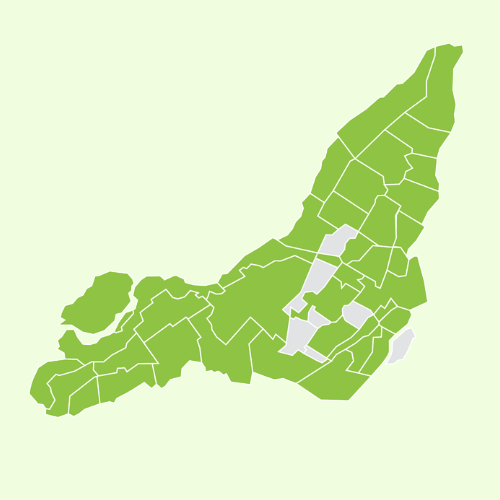
Initiatives deployed in 31 Montreal neighbourhoods
- Anjou
- Ahuntsic
- Bordeaux-Cartierville
- Centre-Sud
- Côte-des-Neiges
- Faubourg Saint-Laurent
- Hochelaga-Maisonneuve
- La Petite-Patrie
- Lachine
- LaSalle
- Mercier-Est
- Mercier-Ouest
- Montréal-Nord
- Nord de l’Ouest-de-l’Île
- Notre-Dame-de-Grâce
- Outremont
- Parc-Extension
- Peter-McGill
- Petite-Bourgogne
- Plateau-Mont-Royal
- Pointe-aux-Trembles–Montréal-Est
- Pointe-Saint-Charles
- Rivière-des-Prairies
- Rosemont
- Saint-Henri
- Saint-Laurent
- Saint-Léonard
- Saint-Michel
- Sud de l’Ouest-de-l’Île
- Verdun
- Ville-Émard / Côte-Saint-Paul
🤝 A tried and tested collaborative model
Beyond its impact on neighbourhoods and vulnerable populations, the CIP is transforming how funders support collective action. In fact, the CIP is transforming philanthropic practices through shared governance, simplified reporting, and closer collaboration among partners.
It has created a space where funders can learn together, adapt their approaches, and support neighbourhoods with more flexibility and confidence. This funding approach is also becoming more agile with a bottom-up shift, as neighbourhoods now define their own priorities and actions. Support has also expanded through non-financial support, such as advice, networks, and influence.
The CIP
in numbers
invested
since its launch
supported neighbourhoods
community initiatives
philanthropic partners
institutional partners:
Ville de Montréal and the Direction régionale de santé publique de Montréal
community partner:
Coalition montréalaise des Tables de quartier
convener:
Centraide of Greater Montreal
“We have seen how much collective impact works, to the point that it guides our entire strategy: communities must be fully involved in the projects we support.”
— Philanthropic partner
Philanthropic partners
- Centraide of Greater Montreal
- Definity Insurance Foundation
- Pathy Family Foundation
- Foundation of Greater Montreal
- Lucie and André Chagnon Foundation
- Marcelle and Jean Coutu Foundation
- McConnell Foundation
- Mirella and Lino Saputo Foundation
- Molson Foundation
- Peacock Foundation
- Rossy Foundation
Institutional partners
- Direction régionale de santé publique de Montréal
- City of Montreal
Community partner
- Coalition montréalaise des Tables de quartier
Convener
- Centraide of Greater Montreal
For more details, visit the Collective Impact Project.